
Raspberry Seed: A Powerful Skin Superfood
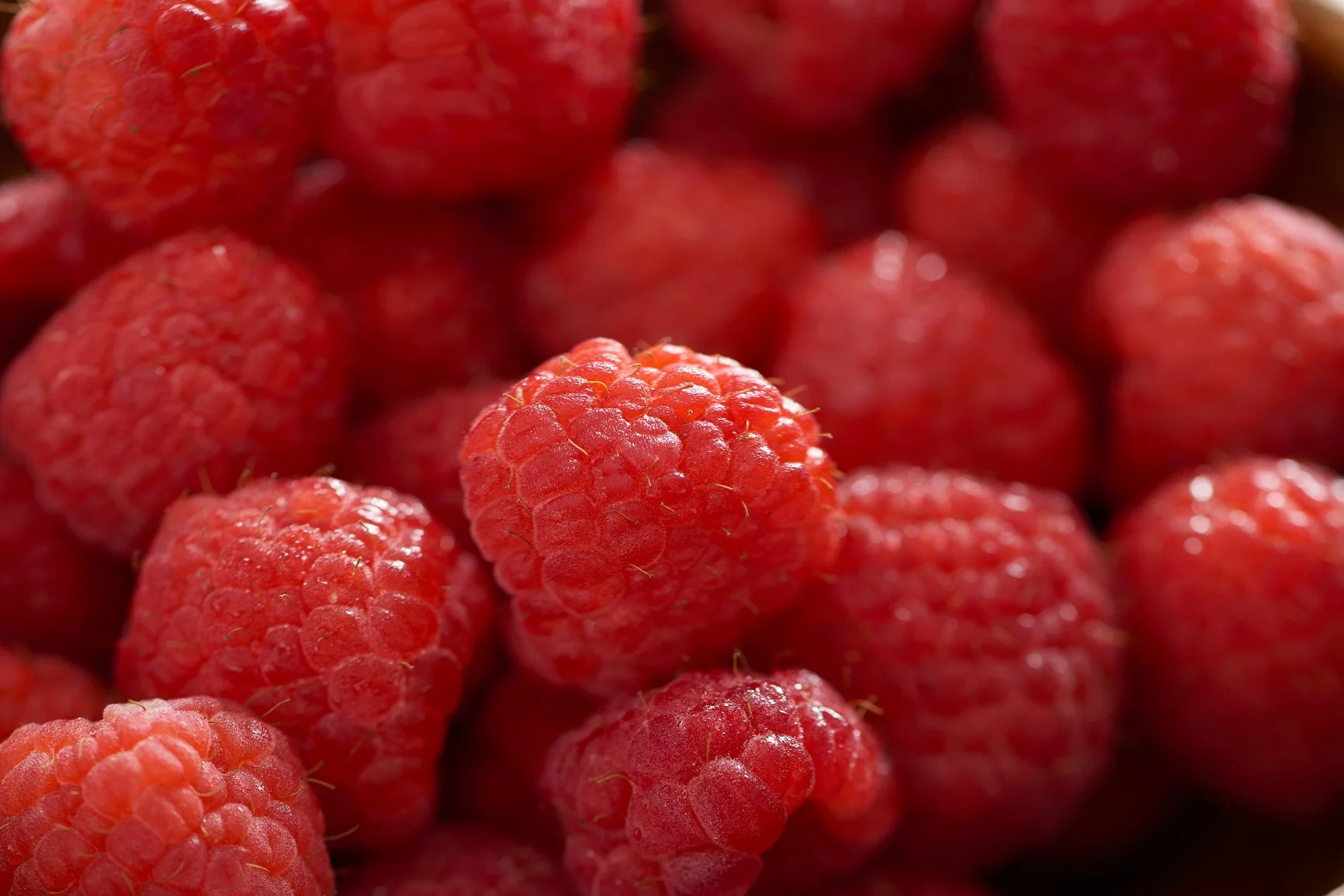
At Jera, we use CO2-extracted raspberry seed in our blends. This potent and pure version of raspberry is incredibly rare and as close to nature as it gets. With a richness surpassing the virgin oil, you need much less to achieve incredible results. This post uncovers the magic of this ingredient and why we're obsessed with using it in our blends.
Raspberry seed is a lesser-known gem in skincare, but its powerful benefits for the skin make it an incredible ally for healthy skin. A rich source of antioxidants, essential fatty acids, and vitamins, raspberry seed nourishes, protects, and supports skin health.
5 Key Benefits of Raspberry Seed for Skin
1. Rich in Antioxidants
Rich in antioxidants, particularly vitamin C and vitamin E, raspberry seed may help protect the skin from free radical damage. Free radicals—harmful molecules produced by environmental stressors like UV rays, pollution, and toxins—can accelerate aging by breaking down collagen and elastin in the skin. The antioxidants in raspberry seed help counteract these harmful molecules, slowing skin aging and maintaining a youthful appearance. Studies show that vitamin C is critical in the skin’s natural defense system, promoting collagen synthesis and protecting against oxidative stress (1).
2. Natural Sun Protection
One of the more known benefits of raspberry seed is its natural sun protection properties. Raspberry seed oil, extracted from the seeds of red raspberries, has been shown to have a natural SPF of 28-50, offering some degree of protection against harmful UV radiation (2). While it’s not a replacement for sunscreen, raspberry seed can provide an added defense layer, helping protect your skin from daily sun exposure, preventing premature aging.
3. Rich in Essential Fatty Acids
Raspberry seed is high in essential fatty acids, including omega-3 and omega-6, vital for maintaining the skin’s natural barrier. These fatty acids help to lock in moisture, improving skin hydration and preventing dryness. They also support skin elasticity, making it appear smoother and more plump. Studies have shown that omega-3 and omega-6 fatty acids help to maintain skin health by reducing inflammation and supporting the skin’s protective functions (3). This makes raspberry seed especially beneficial for dry, sensitive, or inflamed skin.
4. Anti-inflammatory and Soothing Properties
Inflammation significantly contributes to many common skin concerns, including acne, eczema, and psoriasis. Raspberry seed has natural anti-inflammatory properties, which can help soothe irritated skin and reduce redness. Its high levels of ellagic acid, a polyphenol antioxidant, help to calm the skin and reduce signs of irritation. Studies have shown that ellagic acid can inhibit the inflammatory response in the skin, making raspberry seed an excellent option for calming and restoring balance to sensitive skin (4).
5. Helps Promote Healthy, Youthful Skin
The combination of antioxidants, essential fatty acids, and anti-inflammatory properties makes raspberry seed extract an ideal ingredient for supporting overall skin health. It helps to improve skin texture, reduce the appearance of fine lines, and maintain a healthy, glowing complexion. Its ability to support hydration and protect against environmental stressors makes it a go-to ingredient for combatting premature aging. Regular use of raspberry seed can help your skin look revitalized and nourished.
Raspberry seed extract is a potent ingredient with many skin benefits. From natural sun protection to anti-inflammatory relief, it’s a versatile addition to any skincare routine. Packed with antioxidants, essential fatty acids, and soothing compounds, raspberry seed extract supports skin health and protects against premature aging.
References:
U.S. Department of Agriculture, Agricultural Research Service. (2009). USDA Nutrient Database for Standard Reference.
Kitts, D. D., & Hu, C. (2003). Bioactive compounds and beneficial health effects of raspberries. Journal of Nutritional Biochemistry, 14(9), 533-539.
Török, J., et al. (2004). Essential fatty acids: The importance of omega-3 and omega-6 fatty acids in the skin. Lipids in Health and Disease, 3(1), 1-5.
Wu, Z., et al. (2013). Anti-inflammatory effects of ellagic acid in the skin. Journal of Dermatological Science, 72(2), 96-103.
